The restaurant marketing ideas that work best follow how guests already find places to eat: a friend mentions you, they walk past, or they look you up on a map, a review site or social media. The 16 ideas below are grouped that way, from getting found to bringing guests back. We run Storytime, a local influencer marketing platform, so one idea on this list is ours. The other fifteen work without us.
The grouping comes from a Toast survey of more than 1,400 U.S. diners, fielded in October 2025. Word of mouth was the top way people discovered a new restaurant (38%), then walking or driving past (30%). Facebook came next at 27%, map apps at 18%, search engines at 16%, and Instagram and TikTok at 15% and 14%. Once someone knew about a place, the reasons they went were price and value (55%), food quality (51%), and menu variety and convenience (43% each).
Get found when people search nearby
1. Finish your Google Business Profile
Fill in every field: address, phone, website, category, attributes such as outdoor seating, and hours, including holiday hours. Then add recent photos of the room, the food and the front door. Google says local results depend mainly on relevance, distance and prominence, that complete and accurate profiles are more likely to show up, and that you can’t pay for a better local ranking.
Start by searching your own name on Google Maps the way a stranger would. Fix what’s wrong, then upload a dozen photos taken this month. (Running a cafe? Our page on coffee shop marketing covers the cafe version of this list.)
2. Claim Apple Maps and your other listings
Plenty of diners check other maps and sites. In BrightLocal’s Local Consumer Review Survey 2026, Google’s share of review readers fell from 83% to 71%, while Apple Maps nearly doubled, from 14% to 27%. People used about six review sites on average, and 45% now ask ChatGPT or another AI tool for local recommendations.
Claim your place on Apple Maps through Apple Business, which lets you set your logo, hours and photos and add a reservation button. Then go through Yelp, Tripadvisor and any site your guests mention, and make the hours and phone number match everywhere. With more people asking AI tools, BrightLocal’s advice is to keep every listing accurate and check the sources those tools cite.
3. Ask every happy guest for a review, and answer them all
The number and the age of your reviews both matter. BrightLocal found 47% of consumers won’t use a business with fewer than 20 reviews, and 74% only care about reviews from the last three months. A steady trickle does more than an old pile. Replies count too: 37% said it matters that the owner responded.
Ask at the moment the table is happiest, usually when the check lands. A small card in the check presenter with a QR code to your review page does the asking for you. Then answer every review from the past month, including the two-word five-star ones.
4. Put your menu and prices online as text
Price and value was the top reason in Toast’s survey that someone who heard about a restaurant actually went. Guests can’t judge value from a menu they can’t find or read on a phone. Post the full menu with prices as text on your website, not only as a PDF or a photo, link it from your Google profile, and update it the day prices change.
5. Make the storefront sell
Three in ten guests in the Toast survey found a new restaurant by walking or driving past it. Your windows and sidewalk are an ad you already pay rent on.
- Put your name where a driver can read it.
- Post the menu outside, with prices.
- Light the windows so an open restaurant looks open.
- On a sidewalk board, one dish and one price beats a list of ten specials.
Stand across the street at dusk and look at your front the way a stranger would. Fix the first thing that hides you.
Get people talking about you
6. Give people one dish worth filming
After word of mouth and walking past, social media was the next biggest discovery channel in Toast’s survey. In Datassential’s October 2026 numbers, 34% of consumers said they had discovered a new restaurant through social media, and 30% had bought something from a restaurant because they saw it there.
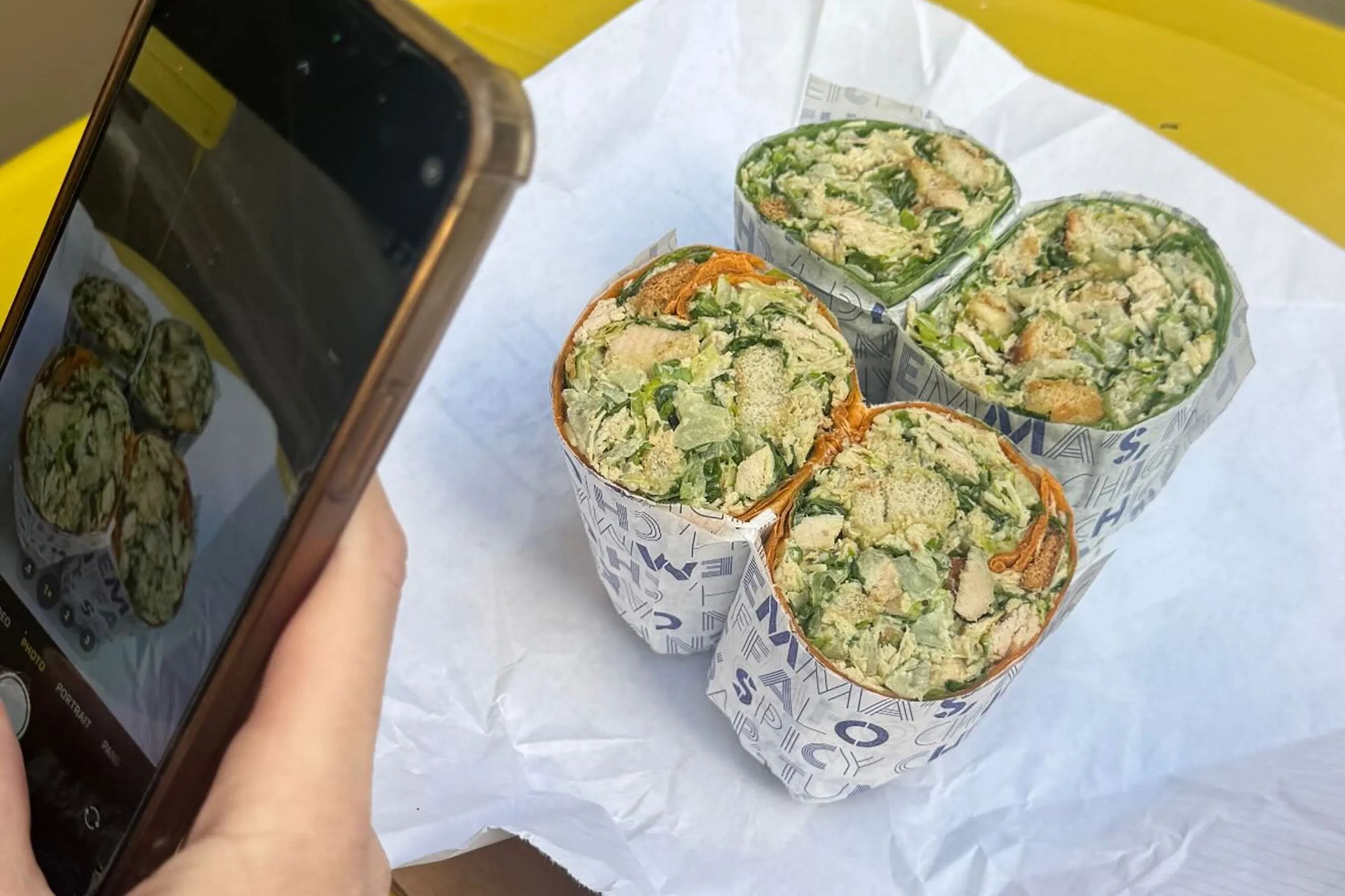
Pick the dish that reads on camera in three seconds, the one with a pull, a pour or a size people react to, and make it the same every time. Lenwich, a New York sandwich chain, saw its Chicken Caesar Wrap become a daily feature in creators’ feeds (the Lenwich story). Film yours on a phone at the pass and watch it back as if you were scrolling past.
7. Invite local creators to eat and post
The creators who help a restaurant most are the ones whose followers live close enough to come in, whatever their follower count. You can find them yourself: search your neighborhood plus your food on Instagram and TikTok, then ask each creator for a screenshot of the cities their followers live in. Our guide on how to find local influencers walks through it.
This is also what Storytime does. Creators connect their Instagram accounts through Meta’s official API, and we score and tier every creator, then match your restaurant with the ones whose followers live nearby. You set the offer (a meal for two, a tasting, a set dollar amount) and can put a date and time on a collab. Creators book it in the Storytime app, check in by GPS, and your staff validate their Collab Pass. Stories are detected automatically, and one dashboard shows collabs, posts and impressions by location. You can set up a campaign in minutes and start seeing creators the same day, and pricing starts at $10 per influencer collab. More on how this works for restaurants: restaurant influencer marketing.
Lenwich went from 38 creator visits a month to more than 480 within a year. Sushi Counter found its most effective creators were often fashion, lifestyle and everyday New York creators rather than food accounts. However you find creators, a free meal counts as a “material connection” under the FTC’s Endorsement Guides, so ask them to label the post as an ad or gifted.
8. Host an opening or launch night
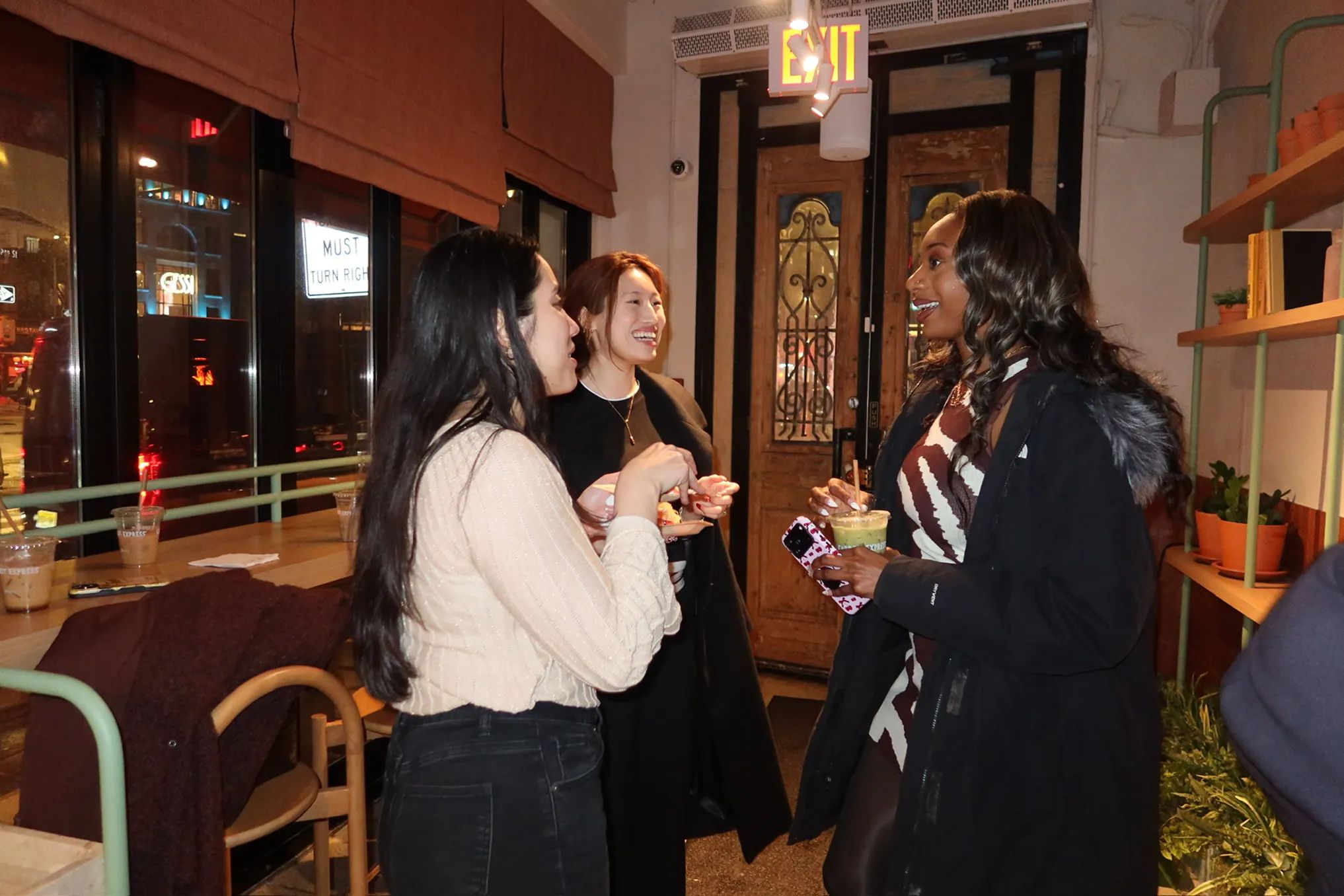
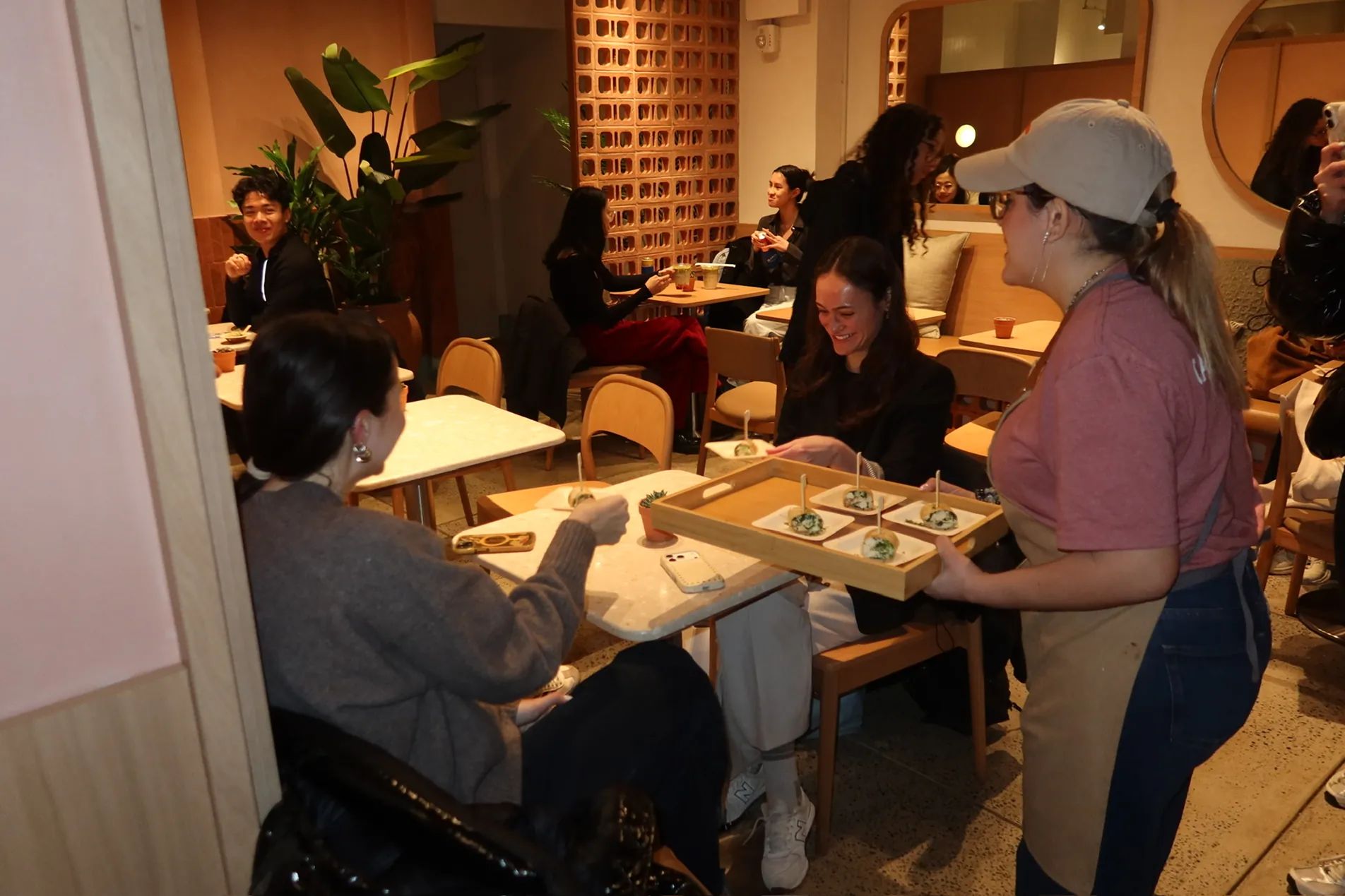
An opening, a new menu or a new room gives people a date to put in their calendar and a reason to post that evening. Carrot Express, a Miami fast-casual chain opening in New York, brought 30 local creators to its Upper West Side opening over Fourth of July weekend. Between January and July 2026, more than 400 of its New York collabs were creators coming back after their first visit (Carrot Express case study).
Pick a date four weeks out. Invite neighbors, regulars, nearby office managers and a handful of local creators by name, and have the dish from idea 6 ready.
9. Post short videos yourself, where your guests are
Match the platform to the guest. In Toast’s survey, TikTok was the top discovery channel for Gen Z, at 38%, and city diners leaned on social media more than suburban ones. Across all ages, Datassential found more people look for food content on YouTube (36%), Facebook (32%) and Instagram (30%). If your regulars are in their fifties, Facebook may matter more than TikTok.
You don’t need a studio. Film the dish being finished, the line at lunch, the special before service. Three clips from one shift, each under 30 seconds, is a good first week.
10. Repost what guests and creators post
People who ate the food take photos you can’t stage. BrightLocal recommends thanking guests and creators who post videos and asking to use their clips. Lenwich’s team does it: “we reuse a lot of their posts for our own page.”
Search your location tag and your name, save the best posts, and ask each person in a reply or message if you can share it with credit.
11. Team up with your neighbors
The businesses on your block already have customers standing near your door.
- A gym or studio: a post-class set menu for its members, and its guest pass in your check presenter.
- Offices: a staff lunch deal with a set price and quick pickup, handed to the office manager in person.
- A hotel: a card for the concierge with your hours, how far you are, and one dish to order.
- A shop: your table card at its weekend event, its offer in your takeout bags.
Walk into two of them with a printed offer and ask for someone by name.
Fill slow nights and bring guests back
12. Give your slowest night a reason
“Come in sometime” gives nobody a plan. A named night does: a set menu at a set price, a trivia night, a chef collaboration, or a creator night with a date and time on it. Keep the offer tied to that night so guests don’t learn to wait for a discount on your busy ones. Look at the last four weeks of sales, find the slowest night, and write its offer in one sentence.
13. Collect contact details and send something worth opening
Ask guests to opt in where they already deal with you: reservations, online orders, pickup and the Wi-Fi sign-in. Then send one message when you have a reason, such as a new dish, a slow-night menu or holiday bookings opening, instead of a weekly blast that says nothing new. Keep the list yourself, note where each contact came from, and take people off when they ask.
14. Keep a simple loyalty offer
Value is what diners are watching. The National Restaurant Association’s 2026 State of the Industry report, as summarized by Nation’s Restaurant News, found more than 80% of diners consider value promotions or discounts when choosing a restaurant, and 70% belong to a rewards program and consider it important.
Your program doesn’t need an app. A card or a phone number at the register works if staff can explain it in one breath: what guests earn, what they get, and when it expires.
15. Sell gift cards before the holidays
Start before the rush. Put gift cards where guests already pay: at the register, on your website and in one message to your list. Offer an emailed card as well as a plastic one so a last-minute buyer can still buy, and say who the card suits in plain words, like the neighbor who waters the plants.
16. Find out which ideas work
Track where guests come from before you spend more. Ask “how did you hear about us?” on the reservation form or at the table and write the answers down. Give each push its own code or offer, so a creator post, a neighbor deal and a slow-night menu each leave a trace. Then compare covers in the days after a push with the same weekday the week before. Expect a mix: Toast’s survey shows guests arrive through word of mouth, passing by, maps and social media, usually more than one at once.
Restaurant marketing: common questions
What is the cheapest way to market a restaurant?
The cheapest ideas cost time, not money: a complete Google Business Profile, a menu with prices online, reviews from happy guests and replies to every review. A readable storefront is free too, and 30% of diners in Toast’s survey found a new restaurant by walking or driving past.
How do you market a new restaurant before it opens?
Claim your Google and Apple Maps listings early with your opening date, hours and menu. Post short videos of the room and the dishes being tested, start collecting email and phone opt-ins, and plan an opening night with neighbors, nearby offices and local creators invited by name.
Do influencers bring customers to restaurants?
They can when their followers live near you and the post gives those followers a reason to come in. Datassential found 30% of consumers had bought something from a restaurant because they saw it on social media. Judge it like any other push: one code or offer per campaign, then compare covers in the days after the posts.
Should a restaurant hire a marketing agency?
Usually not first. Listings, reviews, the menu online, the storefront and short videos from service are work you can do yourself. An agency makes more sense for a large launch or several locations with no one to run marketing; our comparison of an agency and a platform covers how to decide.