To find local influencers, search Instagram and TikTok the way your customers do, with your neighborhood plus what you sell, and look at who already tags you or posts from places near you. Then check where each creator’s followers live, because a creator who lives on your block can have an audience spread across the country. We run Storytime, a platform that does this matching, but the free methods come first.
What counts as a local influencer
Local describes the audience, not the creator’s address. A creator two blocks away might mostly reach people in other states, while one across town might have many followers in your neighborhood. For a business with one or a few locations, where the followers live is the part that matters.
Creators can see this for themselves. According to Instagram’s Help Center, public accounts with at least 100 followers get follower insights that include the top locations of their followers, along with age and gender. Their insights also show the top cities of the people who viewed their content, once it has reached more than 100 accounts.
So “local” is a share of an audience, not a yes or no. Modash, which sells an influencer search tool, says in its own guide that you’ll never find a creator with 100% of their audience in one city, and suggests a threshold such as at least 20% in your location. Treat that as their example rather than a rule. A restaurant that mostly feeds its own neighborhood may want a tighter audience than a shop people cross the city to visit.
Follower count is a separate question, and our post on micro vs. nano influencers covers it. For local influencer marketing, check audience location first and follower count second.
7 ways to find local influencers
The first six are free. They take time rather than money. The seventh is a platform, for when the manual work starts eating your week.
1. Search your neighborhood plus your category
Start with the searches your customers make: your neighborhood plus what you sell, then your city plus your category. On Instagram, look at the posts and Reels those searches return. On TikTok, watch recent videos and note the places named in captions and comments.
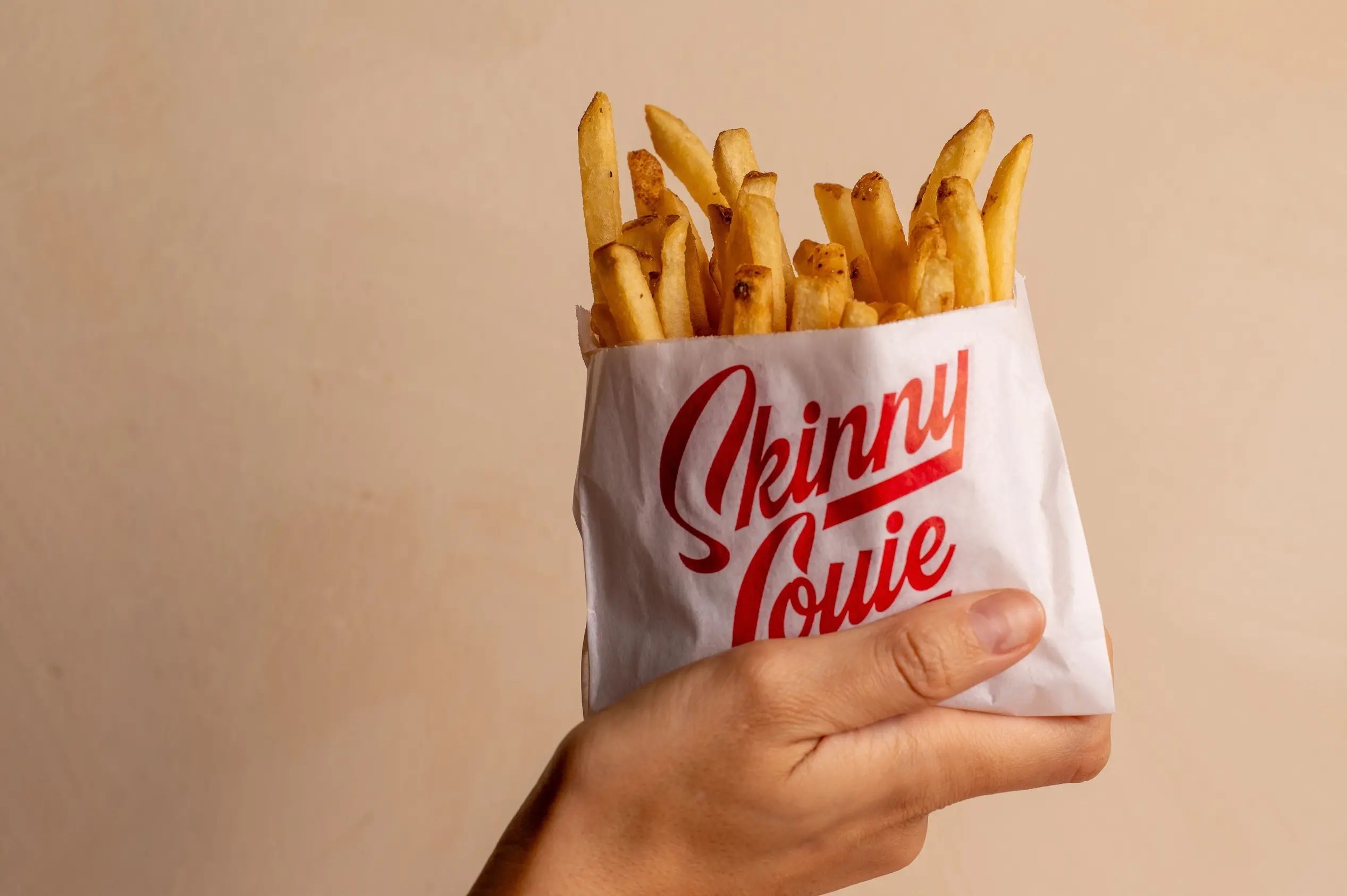
That’s what Skinny Louie did. When the Miami smash burger brand opened in the West Village and East Village in late 2025, its team searched “West Village food,” “New York burgers” and “East Village restaurants” by hand, then reviewed each profile for views, engagement, comments, audience quality and fit (Skinny Louie case study).
Don’t stop at the top posts. They can be months old, and one viral video can carry a creator’s audience far outside your city. Recent posts show who is active now.
2. Open the location pages near you
On Instagram, open the location page for your own business, then for the busy spots on your block: the park, the market, the coffee shop everyone queues at. Note who appears more than once. One post at a famous spot can mean a creator was passing through. Repeated posts around the same few streets suggest someone who spends time there.
Keep a simple list as you go: the handle, what they posted, and when.
3. Start with people who already tag you
Your tagged posts and mentions are the easiest place to begin, because these people already chose to post about you. Look for customers who take clear photos or videos, and for followers who post regularly. A polished feed matters less than an audience that pays attention and lives close enough to visit. Reach out to them first; they already have a reason to say yes.
4. See who posts for businesses like yours nearby
Open the tagged posts of cafes, gyms, restaurants or shops near you. You’re not trying to take anyone’s creator. You’re looking for people who already make this kind of content in your area: someone who has filmed a class at the gym down the street needs little direction from a studio around the corner. If you run a restaurant, our list of restaurant marketing ideas has more ways to use what guests post.
5. Go to local events and ask around
Markets, openings and run clubs put you in the same room as the people who post about your area. Bring a card with your handle and a clear offer, and keep the conversation short. Ask other business owners too. A nearby owner who has already worked with a creator can tell you how it went, which saves an evening of scrolling.
6. Search Google for your city and category
Search your city plus your category plus “Instagram” or “creator,” and read local food and lifestyle roundups. These lists turn up names you missed, but they lean toward bigger accounts, so use them to find people to check, not as a shortlist.
7. Use a platform that filters by audience location
If you use a search tool or a matching platform, filter on where the audience lives, not only where the creator lives. On Storytime, creators connect their Instagram accounts through Meta’s official API, so we read where their followers live from Instagram itself rather than from a screenshot or an estimate. We score and tier every creator and match your business with the ones whose audience lives near you, and they come to your offer through the app instead of you searching profile by profile. Other tools exist too; pick the one that fits how much time you have.
How to check a creator is really local
For a local business, this is the step that matters most. A city in the bio or a few posts at well-known spots doesn’t tell you where the audience is. Before you make an offer:
- Ask for a screenshot of their Instagram audience insights showing top cities.
- Read the comments on recent posts.
- Scroll back a month to see how often they post.
- Check whether their past brand posts were labeled as ads or gifts.
Any creator with at least 100 followers can see that audience view, so asking for it is reasonable. You’re asking for a summary Instagram already shows them, not anything about individual followers. If a creator won’t share it, that tells you something.
In the comments, neighbors asking “where is this?” and friends tagging each other are good signs. In the feed, look for steady posting rather than one busy week and a month of silence.
Don’t assume small means local. We haven’t found a broad study showing that smaller creators have more local audiences, and local reach is usually a share of a bigger total. Of Skinny Louie’s 2 million+ campaign impressions, 500,000 came from New York City audiences. That share is the part a New York restaurant can use.
Look past the obvious category, too. Sushi Counter found its most effective creators were often fashion, lifestyle and everyday New York creators rather than food accounts. If someone’s audience is nearby and pays attention, the category can be wider than you expect.
How to reach out and what to offer
Keep the first message short. Include:
- Your business name and neighborhood.
- What you’re offering, and what it’s worth.
- What you’d like them to post, such as a Story or a Reel.
- When you’d like them to visit and post.
Offer something with a clear value: a meal for two, a class, a product, a gift card or cash. If you plan to pay, Influencer Marketing Hub’s Influencer Rates 2026 gives planning benchmarks for Instagram: $10 to $100+ per post for nano creators (under 10,000 followers), and $100 to $500+ for micro creators (10,000 to 100,000). Its nano rates page says nano Stories often cost $5 to $25 per Story frame. In New York, Skinny Louie’s team found creators who charged thousands of dollars for a single Story. Check where the followers live before you talk about price.
Ask the creator to disclose the relationship. Under the FTC’s Endorsement Guides, free or discounted products count as a material connection even if you don’t require a post, and it must be disclosed clearly. A comped meal is covered. Agree in writing, even in the message thread, what they’ll post and when.
When doing it by hand stops working
By hand is fine for one or two creators. You can search, check a few profiles, send some messages and book a visit in an afternoon. It gets hard when you want creators every week.
Influencer Hero, which sells influencer software, estimates that getting 50 influencers to post takes about 58 hours of emails with its software and up to 175 hours by hand. It’s a vendor’s number, but the pattern is familiar: before Storytime, Sushi Counter’s team was “living in their DMs, fielding influencer messages, coordinating visits, and trying to figure out who was actually worth bringing in.”
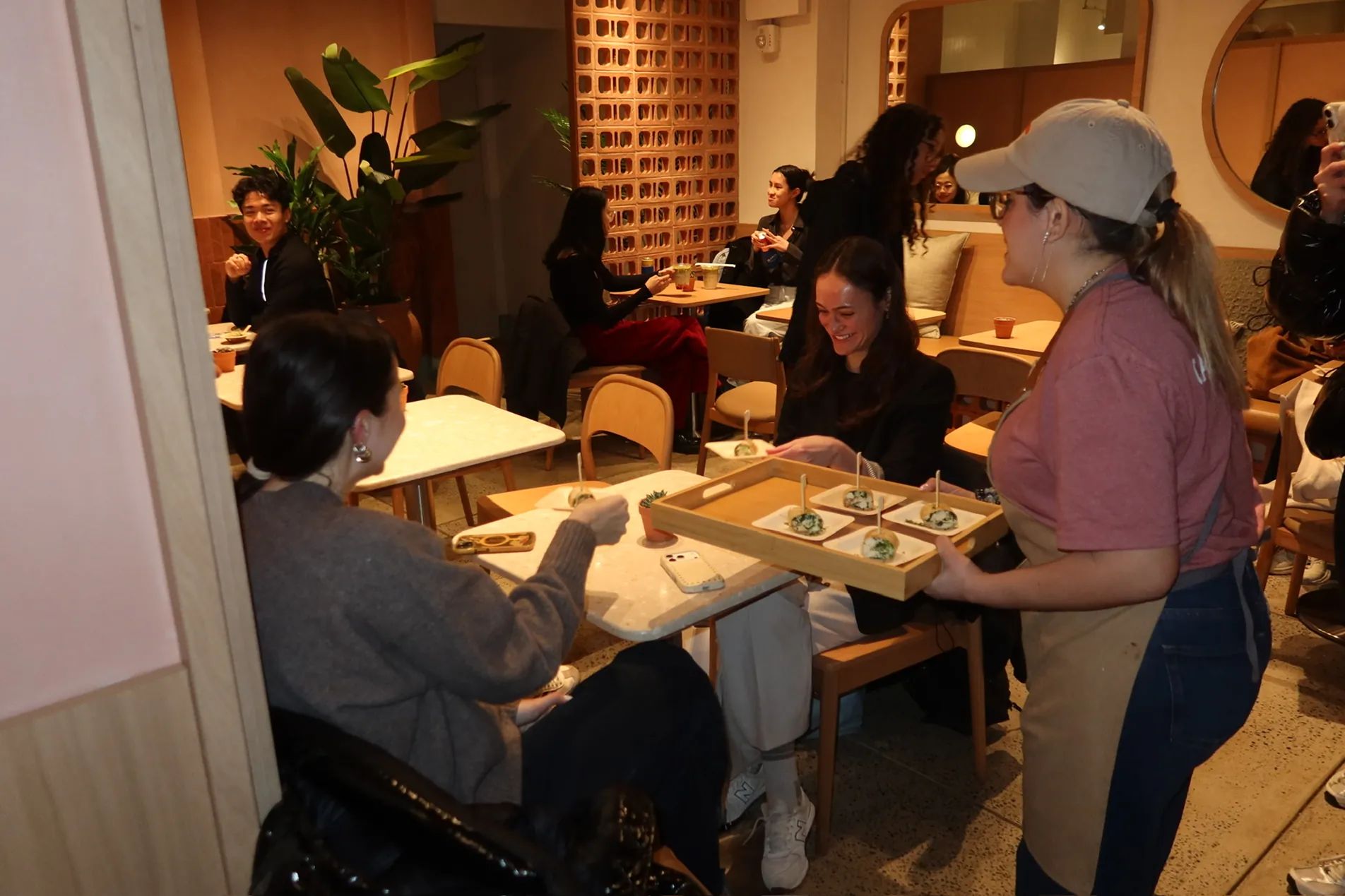
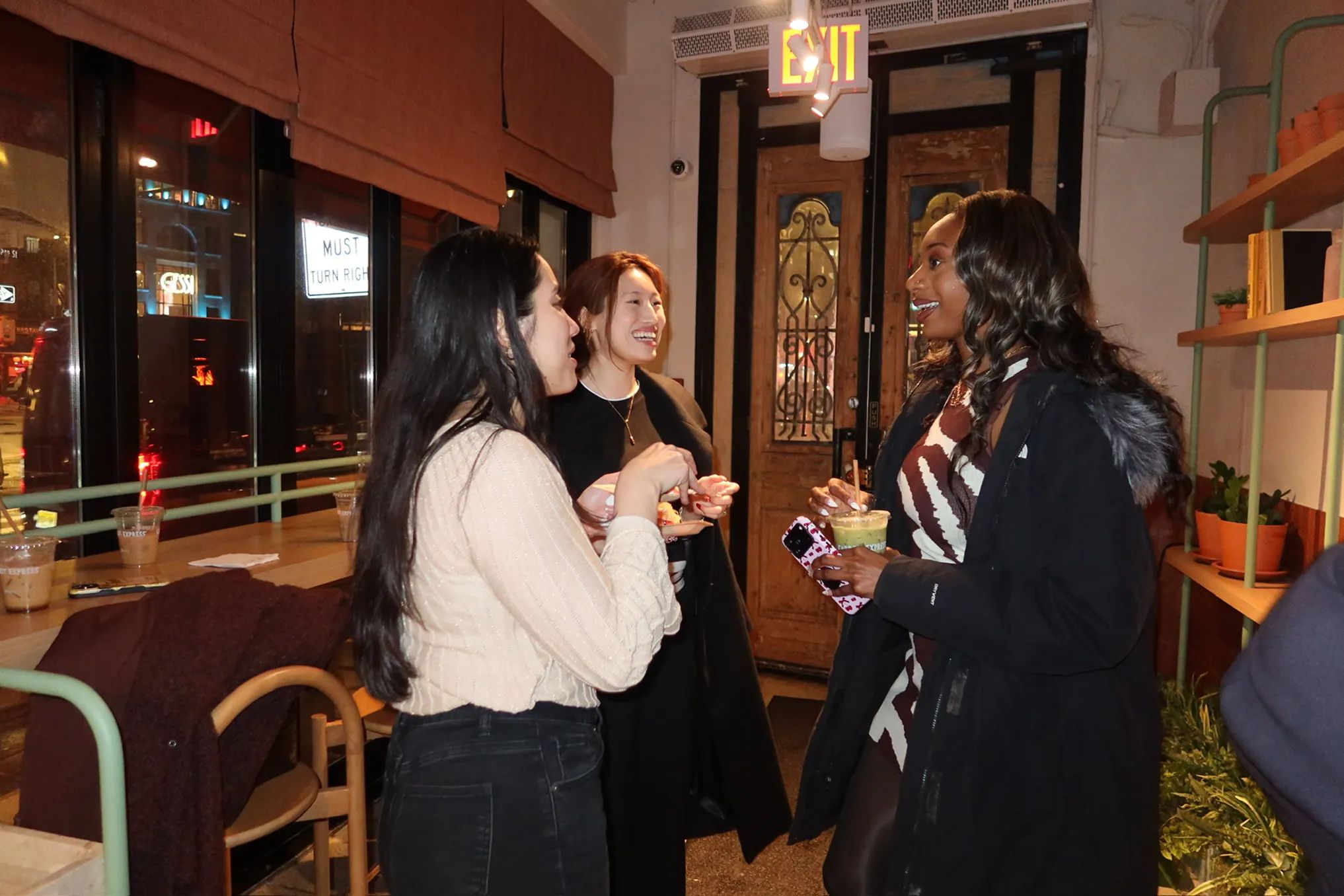
If you’re weighing an agency instead, our comparison of an influencer marketing agency and a platform covers the trade-offs. You also don’t have to choose one way. Skinny Louie kept working directly with selected creators for big launches and used Storytime as its “always-on layer” between them. Carrot Express, opening in New York from Miami, wanted to reach people who lived, worked and spent time near each store; between January and July 2026, more than 400 of its collabs were creators coming back after a first visit.
On Storytime you set up a campaign in minutes and start seeing creators the same day. Creators book in the app, check in by GPS, and your staff validate their Collab Pass. Stories are detected automatically and reviewed, and the dashboard shows collabs, posts and impressions by location. There are 50K+ creators on Storytime, and it’s live in New York City, Miami, Boston, Washington DC, Philadelphia and the Hamptons, with early access in ten more cities; see New York City and Miami for those markets.
The limits: Storytime is Instagram-first, and TikTok posts are checked by hand. Creators use an iPhone app. If that fits, our pricing page has the details.
Finding local influencers: common questions
How do I find local influencers on Instagram for free?
Search your neighborhood plus your category, open the location pages of places near you, and look at who already tags or mentions your business. Shortlist people from recent posts, then ask each one for a screenshot of their audience insights before you make an offer.
How do I know if an influencer’s followers are local?
Ask for a screenshot of their Instagram audience insights showing top cities, which any account with at least 100 followers can see. Then read the comments for neighbors asking where a place is. The creator’s own address doesn’t tell you where the audience lives.
How much do local influencers charge?
Some creators visit in exchange for a meal, a class, a product or a gift card; others charge cash. Influencer Marketing Hub’s 2026 planning benchmarks put Instagram nano creators at $10 to $100+ per post and micro creators at $100 to $500+. In New York, some creators charge thousands of dollars for a single Story.
How many followers does a local influencer need?
There is no fixed number. A small account can work well if enough of its followers live near you and engage with the posts, so check the local share of the audience before judging an account by its follower count.