Influencer marketing for local brands
CPG influencer marketing where creators buy your product off the shelf
Creators find your product at a nearby stockist, post about it naming the store, and get reimbursed. Nothing to ship.
Published
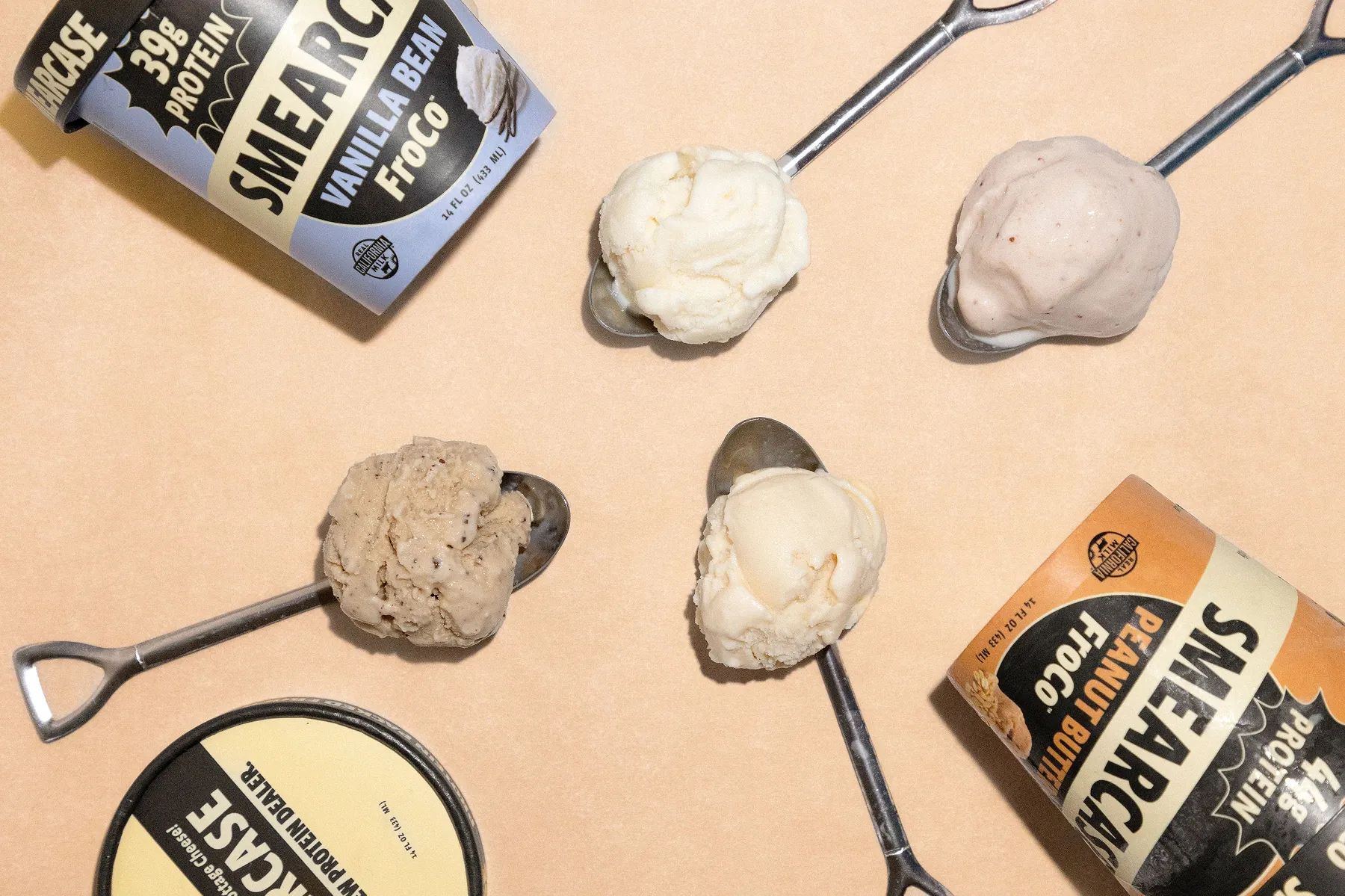
On Storytime, consumer packaged goods brands that are already on store shelves can run creator campaigns without product seeding. Creators find a nearby store that stocks you on the Storytime map, buy the product, post an Instagram Story naming the store, and are reimbursed once the post is checked. Every post tells followers where to buy you. Smearcase, a frozen high-protein ice cream sold at Whole Foods, worked with 50+ creators this way and spent $0 on shipping.
How in-store creator campaigns work for CPG brands
Why not ship it
Product seeding means packing and posting a box to every creator. For Smearcase, a frozen pint with 39 to 44 grams of protein, that meant insulated packaging and cold-chain delivery that could cost more than the product. Buying off the shelf removed that step.
Creators find the stockist
The campaign map shows creators the participating stores near them. Many Smearcase creators had one within a short walk. Each bought the product, then posted an Instagram Story within 48 hours tagging @eatsmearcase and naming the store.
Offers sized by creator tier
Creators connect Instagram through Meta's official API, so Storytime scores and tiers each one on real reach and on where their followers live. Smearcase offered $15 or $30 by tier, so larger creators could buy up to three pints. One wallet upload funded the campaign, and creators were paid automatically as they delivered.
What the brand got
More than 50 creators with a combined audience of 1.2 million+, over 100,000 impressions, and Stories that pointed followers to a store where the product was already in the freezer. New stockists become new places creators can buy, with no extra shipping.
Case studies
Frequently asked questions
What is CPG influencer marketing?
It is creator marketing for consumer packaged goods: food, drinks, personal care and household products sold in stores. On Storytime, creators whose followers live nearby buy your product at a stockist, post about it naming the store, and are reimbursed, so every post points to a place to buy.
How does in-store gifting compare with product seeding?
Seeding ships a box to a creator's home, which costs packaging and postage and doesn't show where it's sold. In-store gifting sends the creator to a shelf; for frozen Smearcase it avoided cold-chain shipping. If you do want to send product, a Storytime workflow can call your Shopify store or fulfillment system to create the order.
How do creators prove they bought the product and posted?
The post is the proof. Each Smearcase Story had to show the product, tag the brand and name the store where the creator bought it, within 48 hours of redeeming. Storytime detects Instagram Stories automatically, reviews them, and releases reimbursement only once the required content is complete.
What does a CPG influencer campaign cost?
Storytime collabs start at $10 per influencer; creator size and post type can change the price, and the pricing page has details. You also fund the creator offer, such as a reimbursement for the product or a cash amount. Smearcase used $15 and $30 offers funded from one wallet upload.
Why in-person beats paid ads: Nielsen’s consumer-trust research has long shown people trust recommendations from real people over brand advertising.
Set up a campaign in minutes and start seeing creators the same day
Storytime matches your business with local creators who visit, post and tag you.