Most restaurant marketing asks people to imagine a meal. A creator filming their table does something better: it shows the plate, the room, and a real reaction from someone their followers already trust. That difference is why restaurant influencer marketing keeps outperforming paid ads for neighborhood spots — and why it works without any ad spend at all.
This guide covers how influencer marketing for restaurants actually works, what it costs in 2026, which creators to work with, and how to tell whether it’s filling tables. The numbers come from real campaigns: Lenwich turned creator visits into 3.3M organic impressions and Sushi Counter reached over 1M New Yorkers — both without a single ad dollar.
Why creator visits beat ads for restaurants
Eating out is a visual, emotional decision. People want to know what the food looks like, what the room feels like, and whether it’s worth the trip — questions a 30-second dine-in video answers instantly and a display ad never will.
Trust does the rest. Nielsen’s consumer-trust research has shown for over a decade that people trust recommendations from real people far more than brand advertising. A food creator saying “this is worth the walk” carries weight your own account can’t buy.
What a restaurant campaign actually looks like
Restaurant campaigns are experiential: the creator books a table, eats, films, and posts. The formats that consistently work:
- Dine-in visit videos. The core format. A creator orders, reacts, tags the location. Best on TikTok and Reels; high shareability when the food photographs well.
- Best-dishes roundups. A creator’s top picks from your menu. Drives specific orders — people show up asking for the dish from the video.
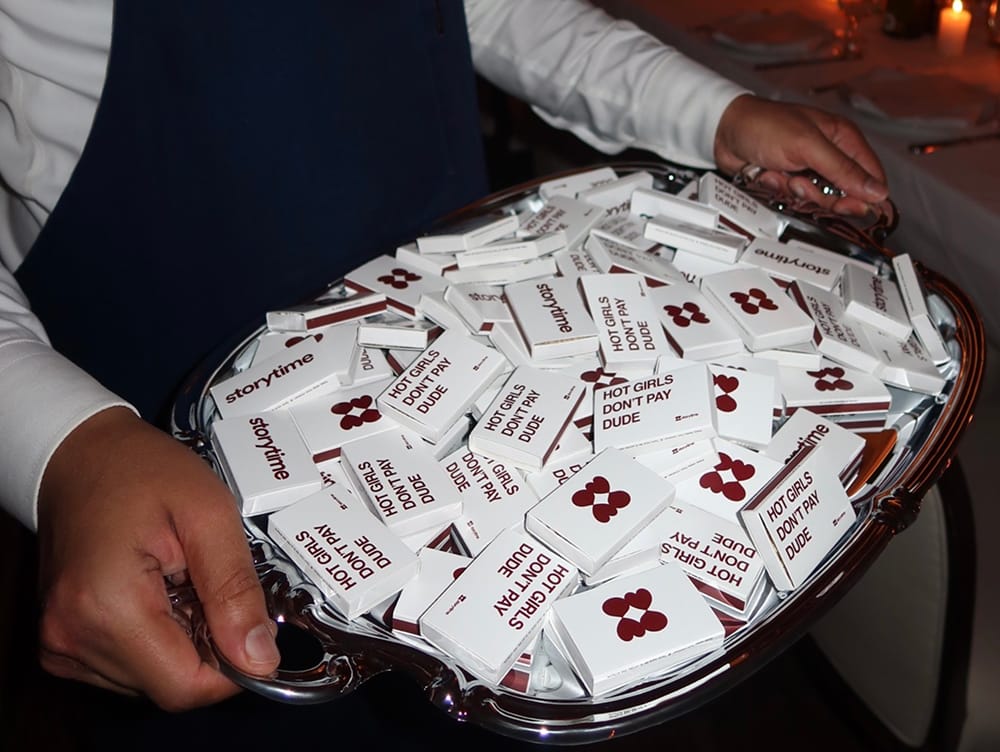
- Launch and event coverage. New menu, seasonal special, anniversary night. Gives followers a reason to come this week, not someday. See how Storytime creator events handle this at places like Mamo and Beefbar.
- Behind-the-scenes. Kitchen tours and chef interviews build personality — better for connection than direct foot traffic.
Finding the right food influencers
The biggest lever isn’t follower count — it’s fit. A food influencer with 15,000 followers in your city fills more seats than a lifestyle creator with 500,000 spread across the country. Reach without local relevance doesn’t book tables.
What to check before working with a creator:
- Audience location. Are their followers actually near your restaurant? This single filter kills most bad matches.
- Existing food content. Creators who already post restaurants get better engagement on restaurant content — their audience follows them for exactly this.
- Real comments. “Where is this?” and “booking now” beat rows of emojis. Comment quality predicts action.
- Consistency. Someone posting weekly keeps momentum; someone posting monthly won’t.
Vetting all of that manually is the part that eats weeks. It’s the reason we built restaurant influencer marketing on Storytime around pre-vetted local creators — the matching, scheduling, and content delivery are handled, and creators come to you.
What it costs in 2026
Per-post creator rates run roughly $50–$200 for nano creators (under 10K followers), $200–$800 for micro (10K–100K), and $2,000+ once you’re into six-figure followings, per the Influencer Marketing Hub benchmark report. Most independent restaurants get meaningful results from $500–$2,000 a month across a few micro creators.
There’s also the model Storytime runs: instead of negotiating per-post fees, restaurants host vetted creators for a comped visit, and creators post because the experience is genuinely shareable. That’s how Lenwich hit 3.3M impressions with zero ad spend — the cost was sandwiches.
How to tell it’s working
Skip the e-commerce dashboard. Restaurant campaigns show up in five places:
- Walk-ins and reservations in the days after each post
- Branded search — people Googling your restaurant’s name (Search Console is free)
- Saves and shares on the creator’s post — saves signal “I’m going”
- Follower growth on your own account after each collaboration
- The host-stand question: “how did you hear about us?”
Mistakes that waste the budget
- Chasing follower counts. A big national audience does nothing for a restaurant on one street corner.
- Over-scripting. Content that reads like an ad performs like an ad. Give creators a clear brief — the dish, the vibe, the timing — and let them speak like themselves.
- Judging after one post. Momentum compounds across multiple creators. Arabica ran 100+ creator partnerships a month before the flywheel really turned.
- Letting content die. Repost creator content to your own channels, embed it on your site, use it in email. You already earned it.
What is restaurant influencer marketing?
Restaurant influencer marketing means partnering with content creators who visit your restaurant, film the experience, and share it with their local audience on TikTok and Instagram. Unlike product campaigns, nothing gets shipped — the restaurant visit is the content. Done well, it drives foot traffic, reservations, and branded search because the recommendation comes from a person the audience already trusts rather than from an ad. It’s also one of the few channels that works with zero ad spend: the creator’s post is organic content that keeps circulating after it goes live.
How much does influencer marketing for restaurants cost?
Typical per-post rates in 2026: $50–$200 for nano creators (under 10K followers), $200–$800 for micro creators (10K–100K), and $2,000+ for creators with six-figure followings. A realistic starting budget for an independent restaurant is $500–$2,000 per month across two to four micro creators. Comped-visit models can lower that dramatically — on Storytime, restaurants host vetted local creators for a meal and pay no per-post fees, which is how brands like Lenwich generated millions of impressions with essentially zero marketing cost.
What type of influencers work best for restaurants?
Local micro and nano influencers with existing food content almost always outperform bigger names for restaurants. Their audiences are concentrated in your city, their engagement rates are higher, and their recommendations read as genuine rather than sponsored. A food creator with 15,000 followers in your neighborhood will fill more tables than a national lifestyle account with half a million. Check audience location, comment quality, and posting consistency before follower count.
How do I measure a restaurant influencer campaign?
Track what maps to actual visits: reservation and walk-in volume in the days after each post, branded search growth in Google Search Console, saves and shares on the creator’s content (saves are the strongest visit-intent signal), your own follower growth, and a simple “how did you hear about us?” at the host stand. You don’t need attribution software — you need a before/after picture across those five signals.
Do restaurants pay influencers or comp the meal?
Both models exist. Paid partnerships give you more control over deliverables and timelines, and rates for local micro creators are reasonable. Comped visits work especially well with nano and micro creators when the experience itself is share-worthy — a strong menu, a good-looking room, an event. Storytime is built around the comped-visit model: vetted creators request to visit, the restaurant hosts them, and the content follows. Many restaurants blend both approaches.